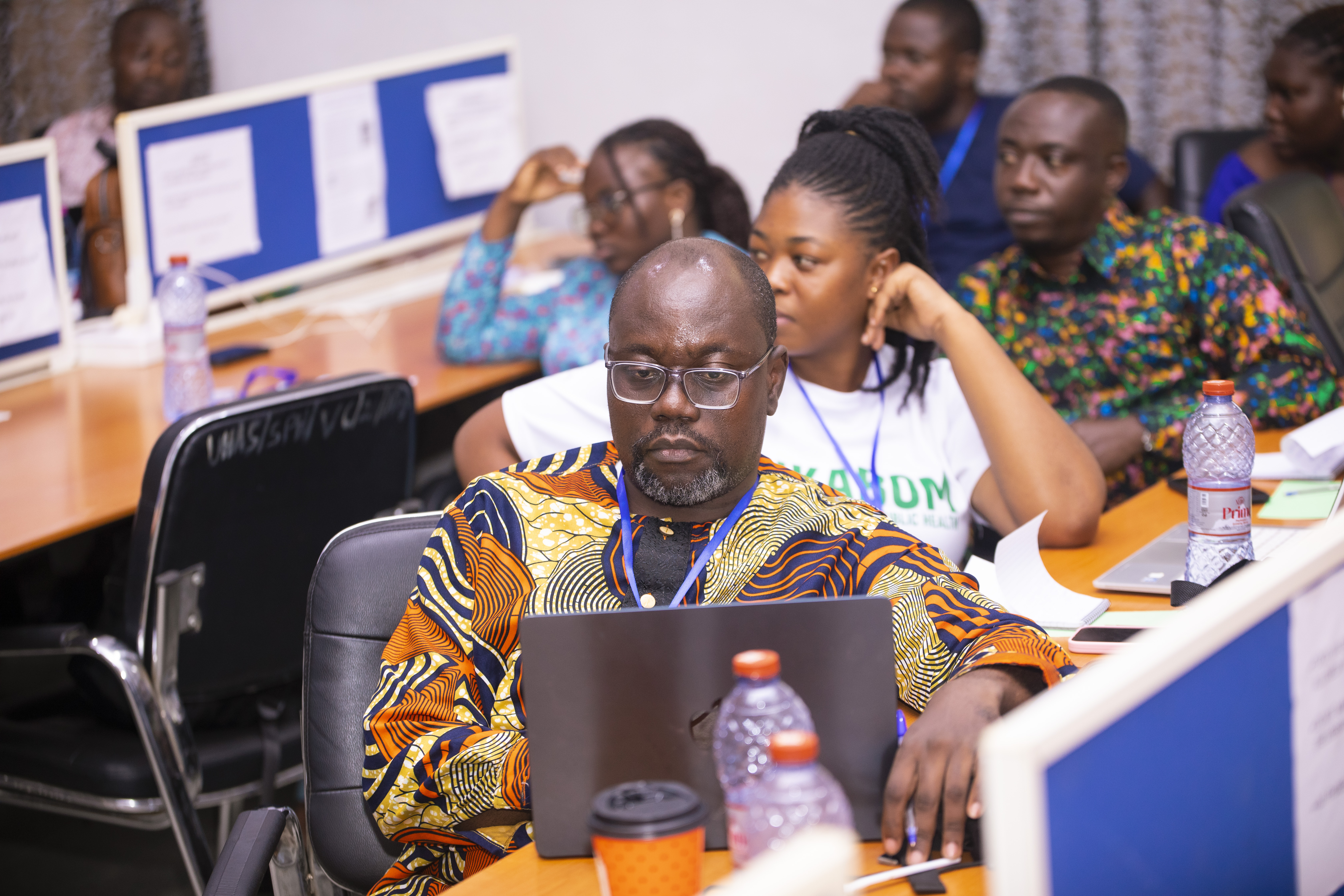
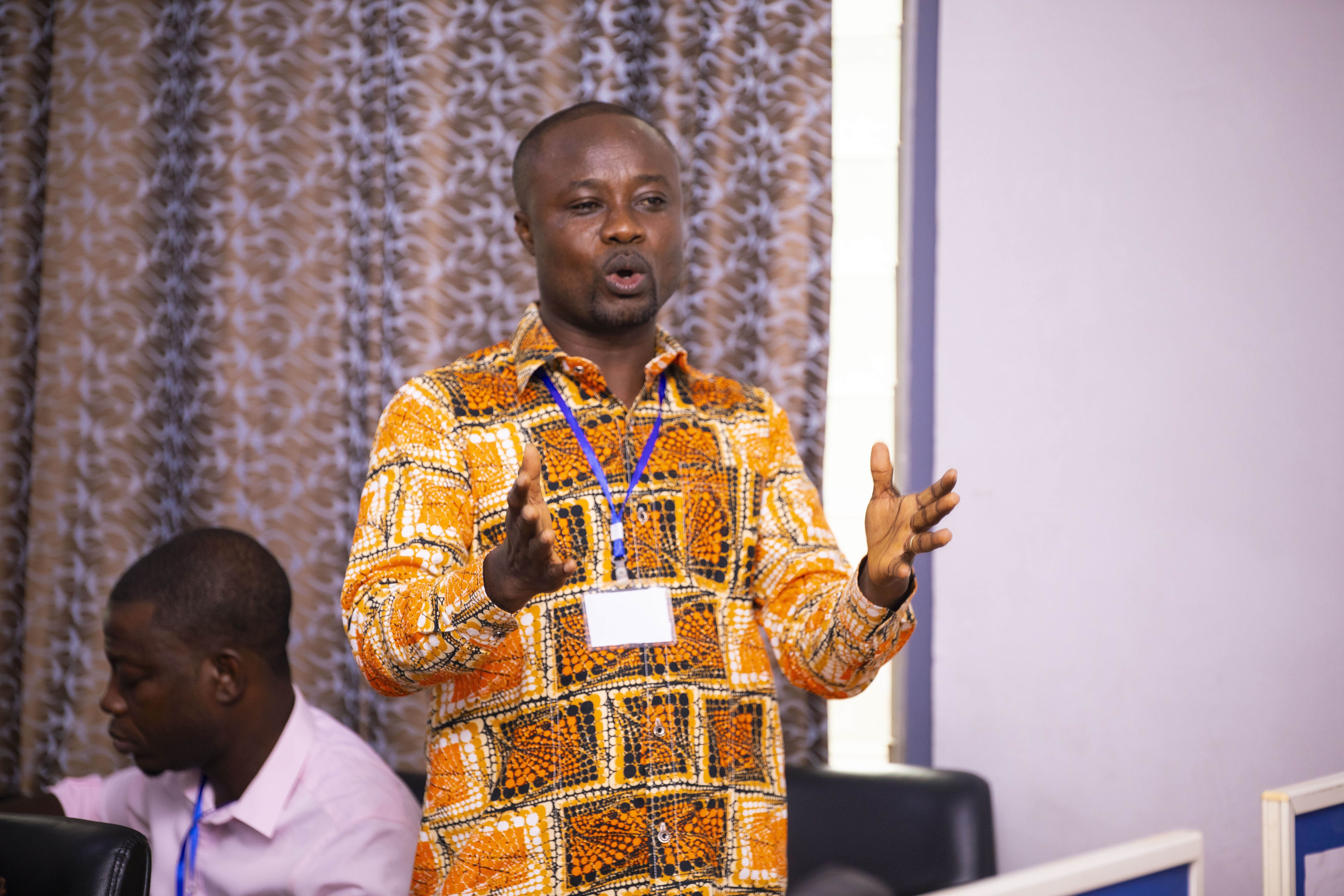
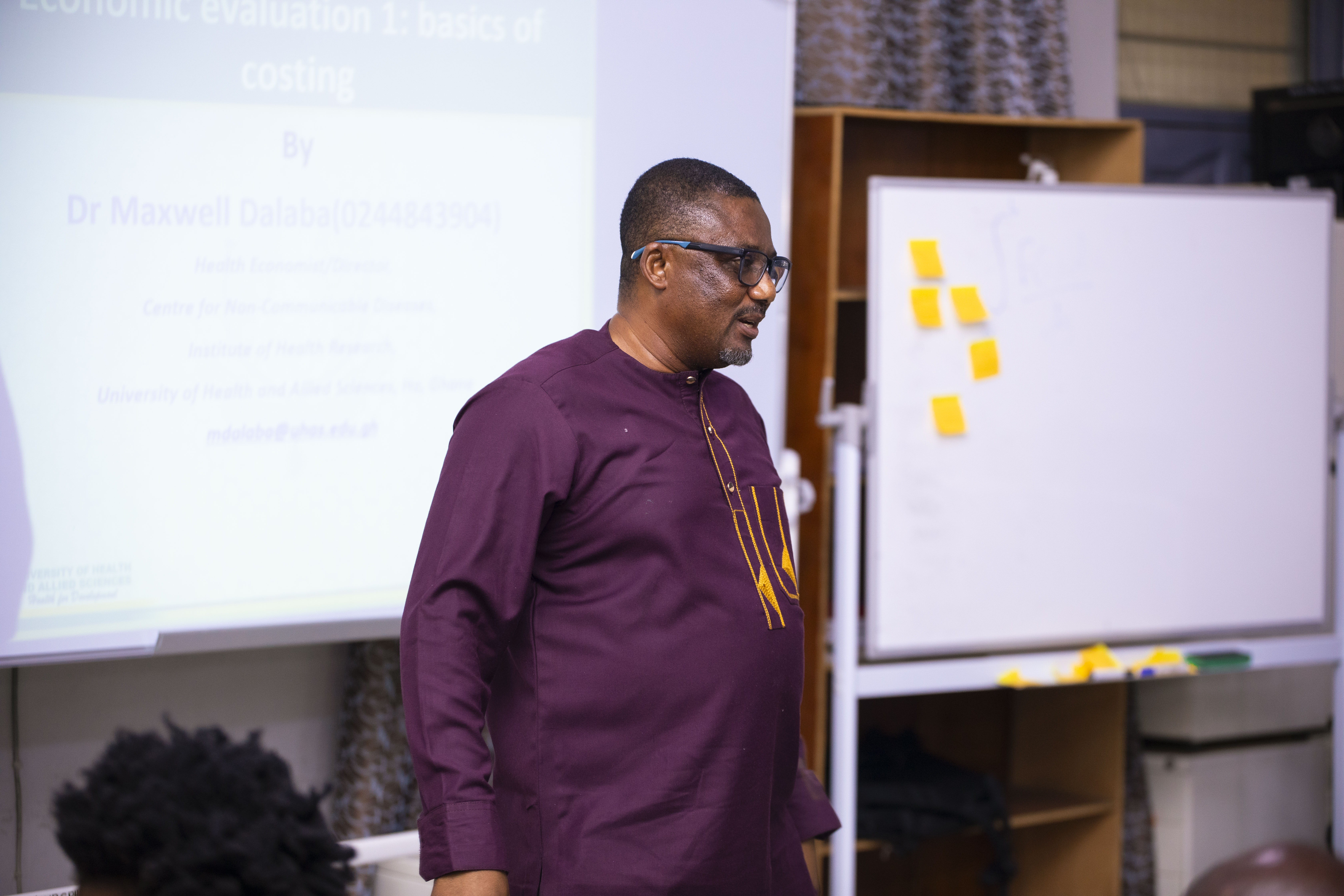
The Fred N. Binka School of Public Health of the University of Health and Allied Sciences (UHAS), Hohoe Campus, successfully hosted a four-day intensive professional short course on Health Economics and Health Financing with Application to Non-Communicable Diseases (NCDs) from Monday, 27th to Thursday, 30th April, 2026. The CPD-accredited training programme formed part of the European Union Erasmus+ funded CAPSTONE Project and was aimed at strengthening the capacity of the health workforce in addressing the growing burden of non-communicable diseases in Ghana and across the Global South.
The course brought together health professionals and practitioners from diverse professional backgrounds, including policy makers, clinicians, allied health professionals, public health practitioners, researchers and educators from across Ghana. In addition, participants from Nigeria, Ethiopia, Zambia and Zimbabwe joined virtually and actively engaged in the training sessions, contributing to rich multidisciplinary and cross-country discussions on sustainable approaches to NCD prevention, management and control.
Opening the programme, the Dean of the Fred N. Binka School of Public Health, Prof. Frank Elow Baiden, underscored the urgent need to build the capacity of the health workforce in response to the rising burden of non-communicable diseases, which continue to be a leading cause of mortality across the Global South, including Ghana. He emphasized that health economics and health financing remain critical components in the fight against NCDs, particularly in ensuring equitable access to prevention, treatment and long-term care services. Professor Baiden further highlighted the strategic role of the School in advancing public health and clinical approaches that respond to emerging health challenges through training, research and innovation.
The training introduced participants to key concepts in health economics, health financing and economic evaluation, while exploring their practical applications in non-communicable disease prevention and control. Discussions focused on sustainable health financing mechanisms, healthcare resource allocation, cost-effectiveness analysis, universal health coverage and policy strategies for improving NCD outcomes in low- and middle-income countries.
A major highlight of the programme was its Challenge-Based Learning (CBL) approach, which promoted collaborative and solution-oriented learning. Participants worked in multidisciplinary groups to address real-world public health and health financing challenges related to non-communicable diseases. Through interactive lectures, group work, case studies and practical problem-solving sessions, participants were equipped with skills to translate theoretical knowledge into actionable interventions within their professional settings.