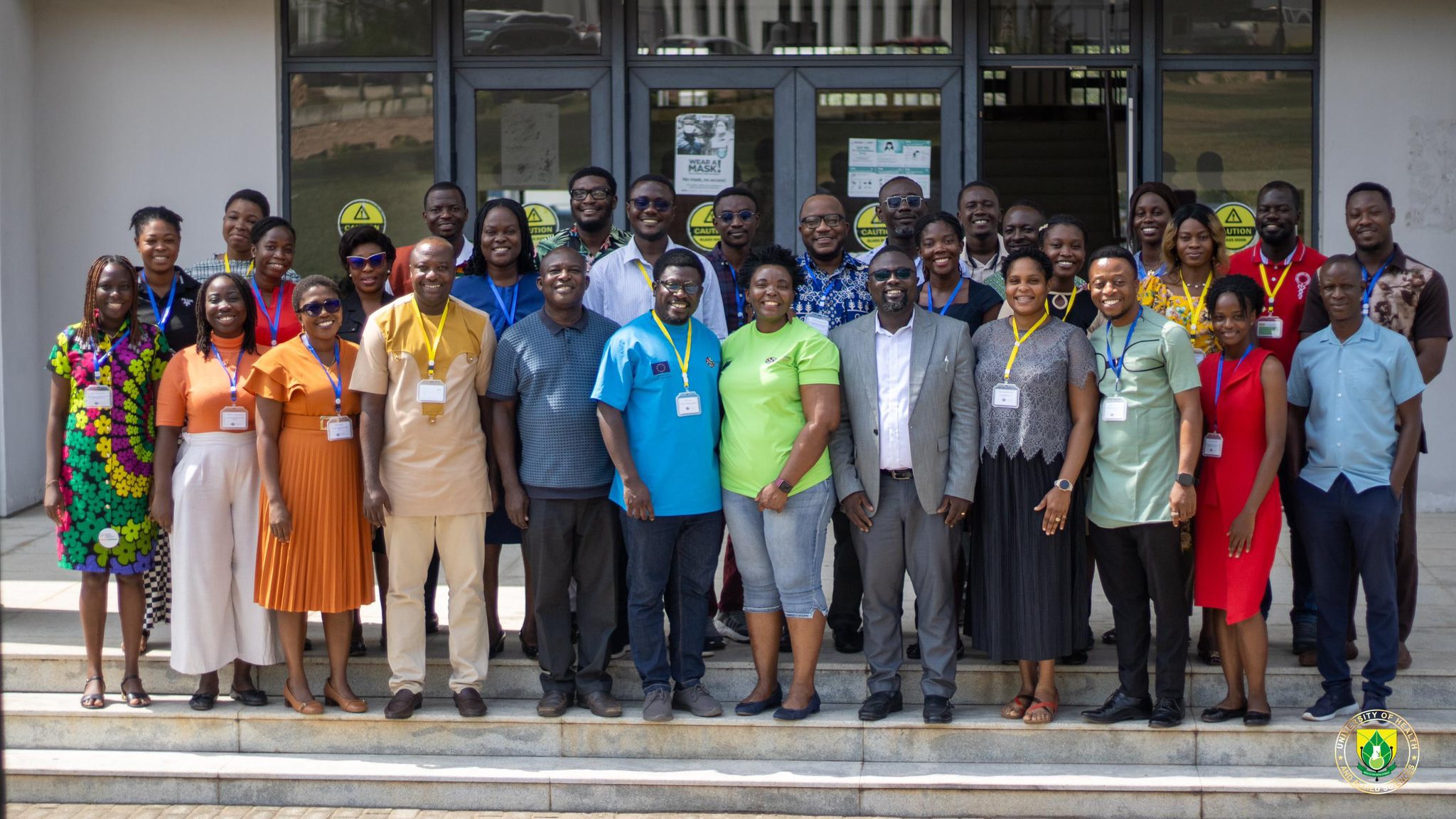
UHAS hosts EU-funded digital health training to strengthen non-communicable disease prevention and control
The University of Health and Allied Sciences (UHAS) hosted a five-day intensive professional course on Digital Technologies for Non-Communicable Disease (NCD) Prevention, Management, Control and Research from December 8 to 12, 2025. The training aimed at building advanced capacity in the use of digital health solutions to address the rising burden of NCDs in Ghana and beyond.
The European Union Erasmus+ Programme-funded training under the CAPSTONE Project was a CPD-accredited short course initiative designed to strengthen skills and institutional capacity in digital health and non-communicable disease management in low- and middle-income countries. The programme brought together health professionals, researchers and practitioners to explore how digital technologies could complement existing health systems to improve the prevention, screening, diagnosis, management and care of NCDs such as cardiovascular diseases, diabetes and cancers.
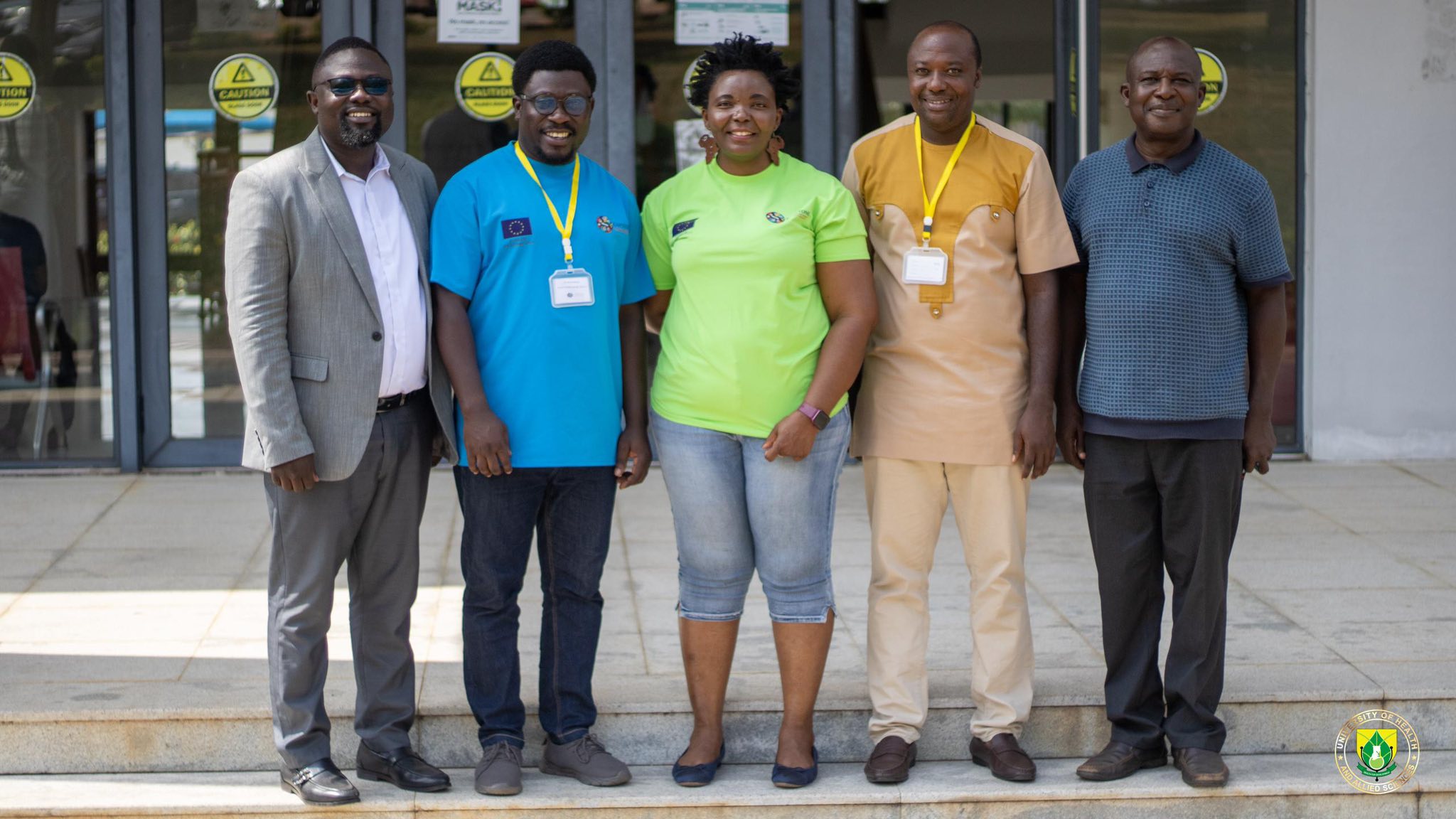
Representing the Pro-Vice Chancellor of the University, Professor Martin Ayanore, Dean of the UHAS School of Graduate Studies, highlighted the remarkable commitment of UHAS to evidence-based research. He noted that the training responded to the urgent need for innovative, technology-driven public health approaches as the global burden of non-communicable diseases continues to increase.
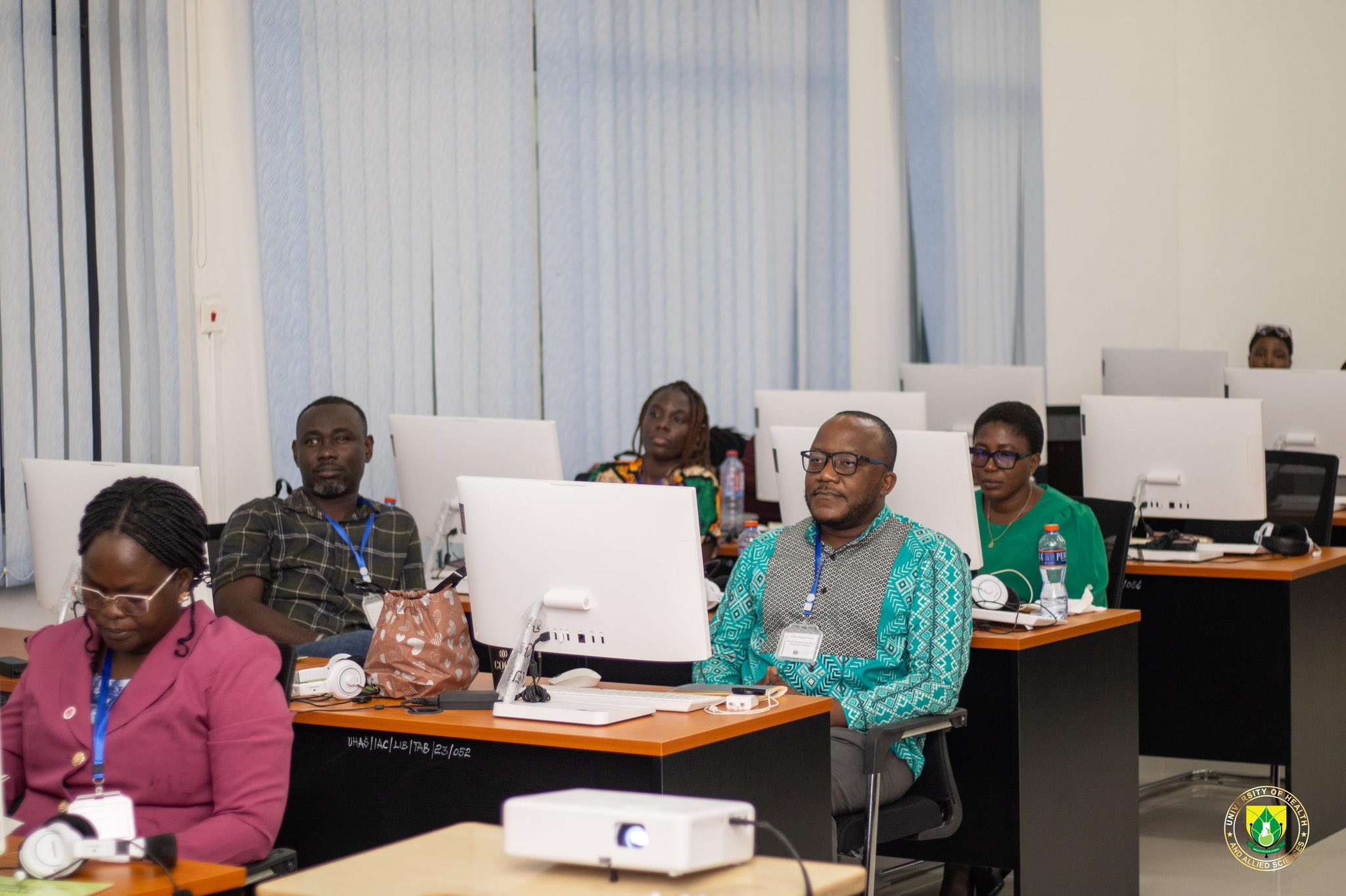
Participants were introduced to key digital health concepts and tools including electronic health records, mobile applications, wearable technologies, telehealth and telemedicine, as well as machine learning and artificial intelligence. The course also addressed cross-cutting issues such as digital health ethics, equity, regulation and real-world adoption, particularly within low-resource settings.
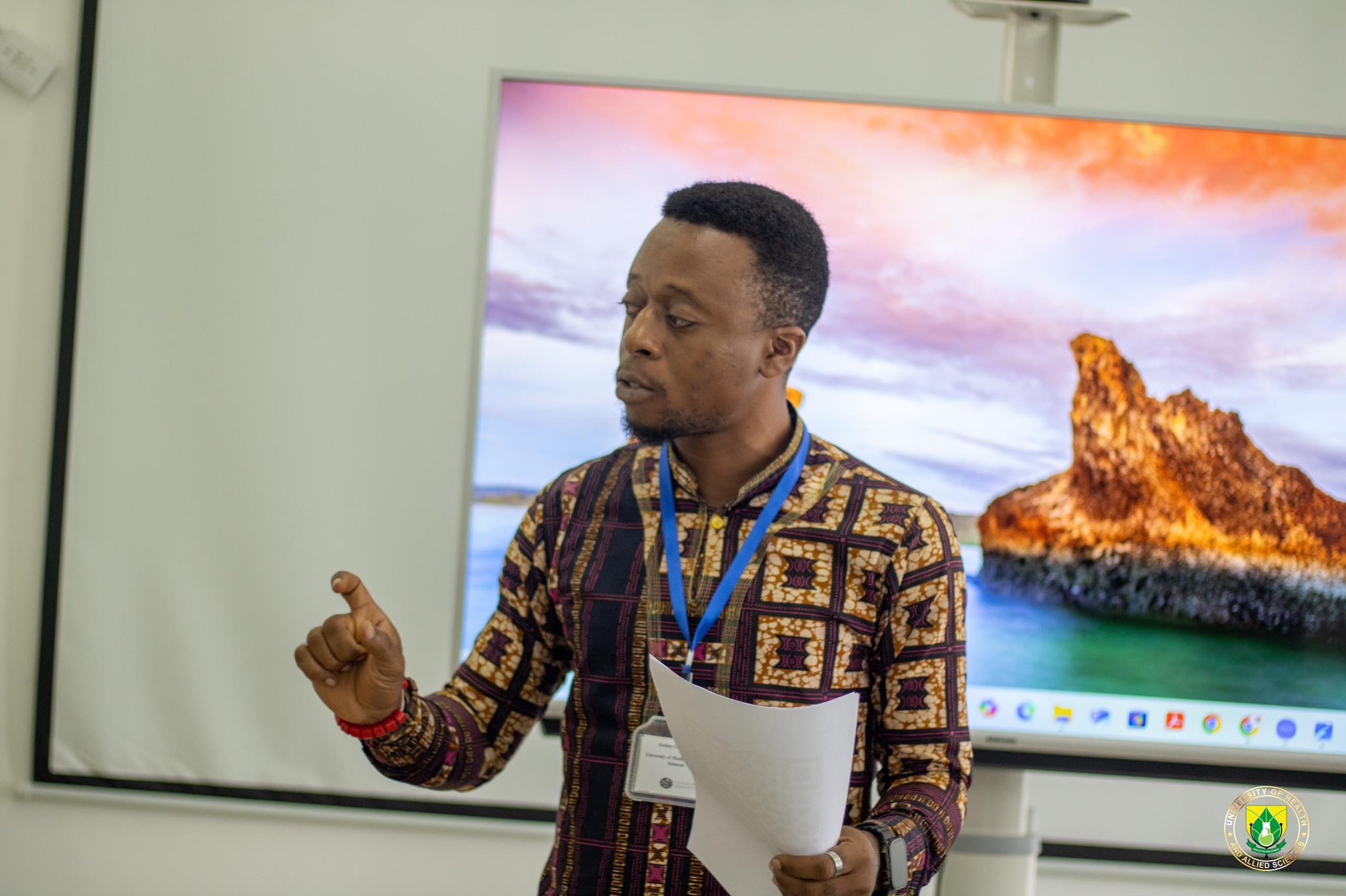
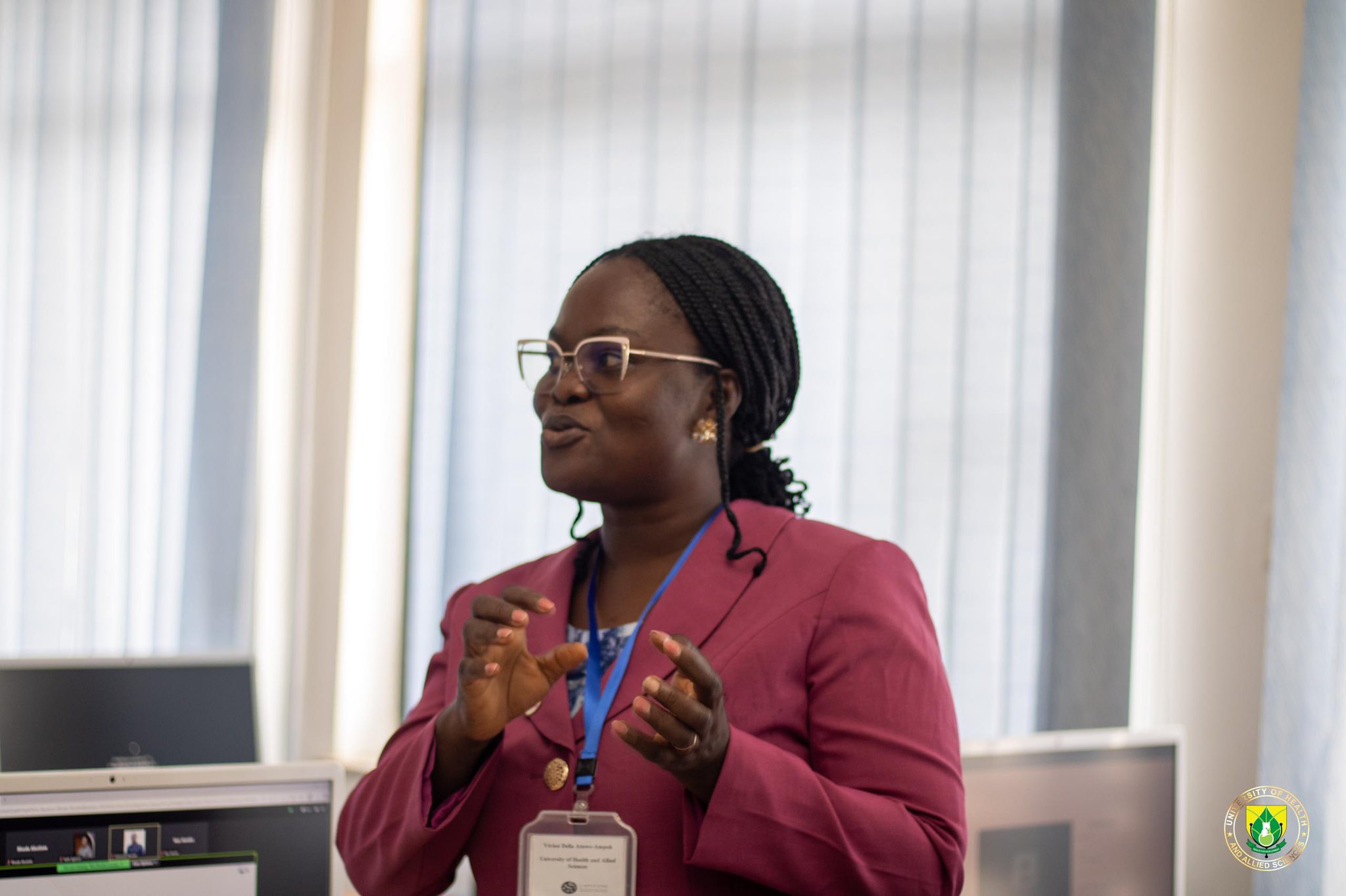
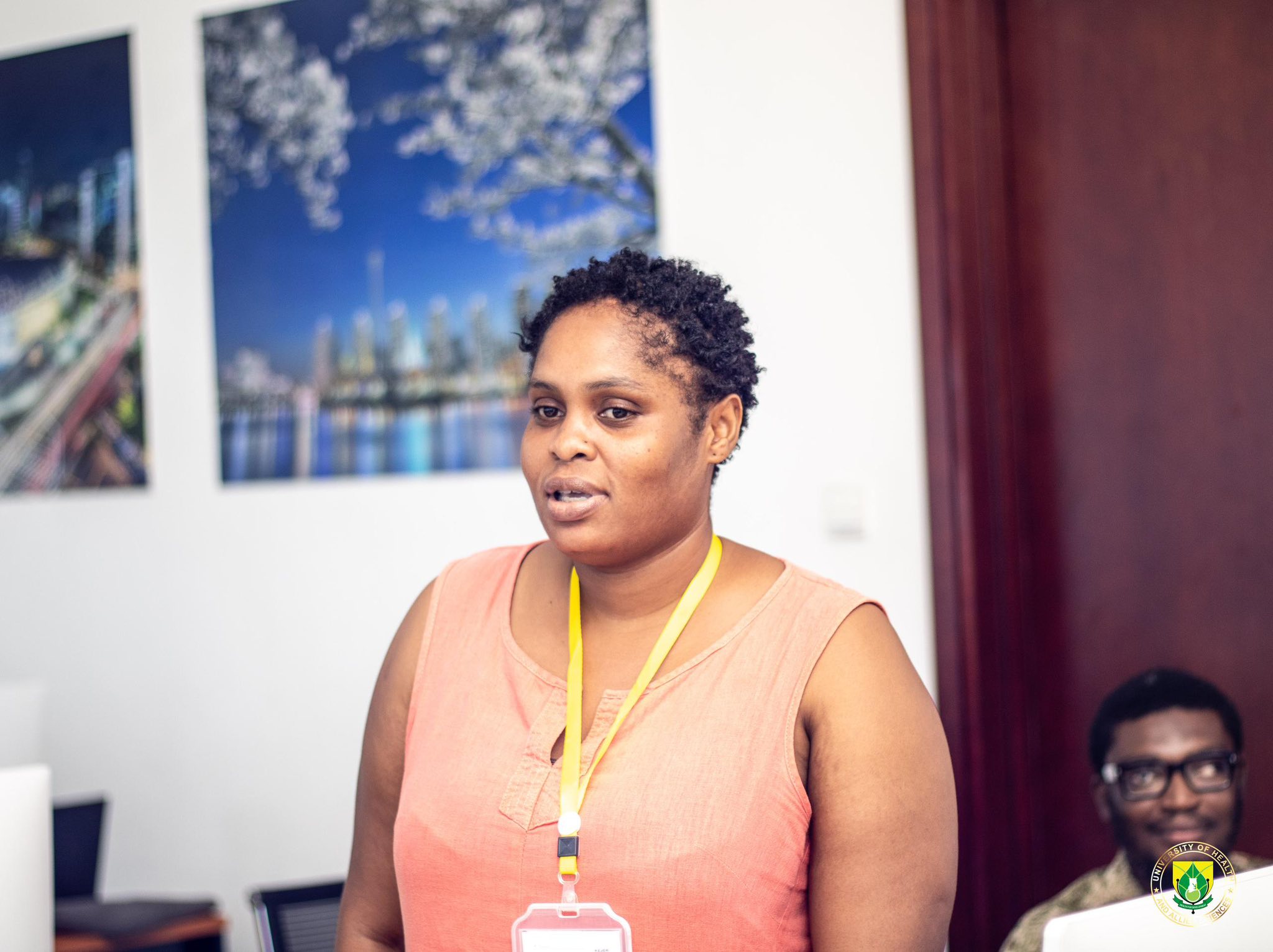
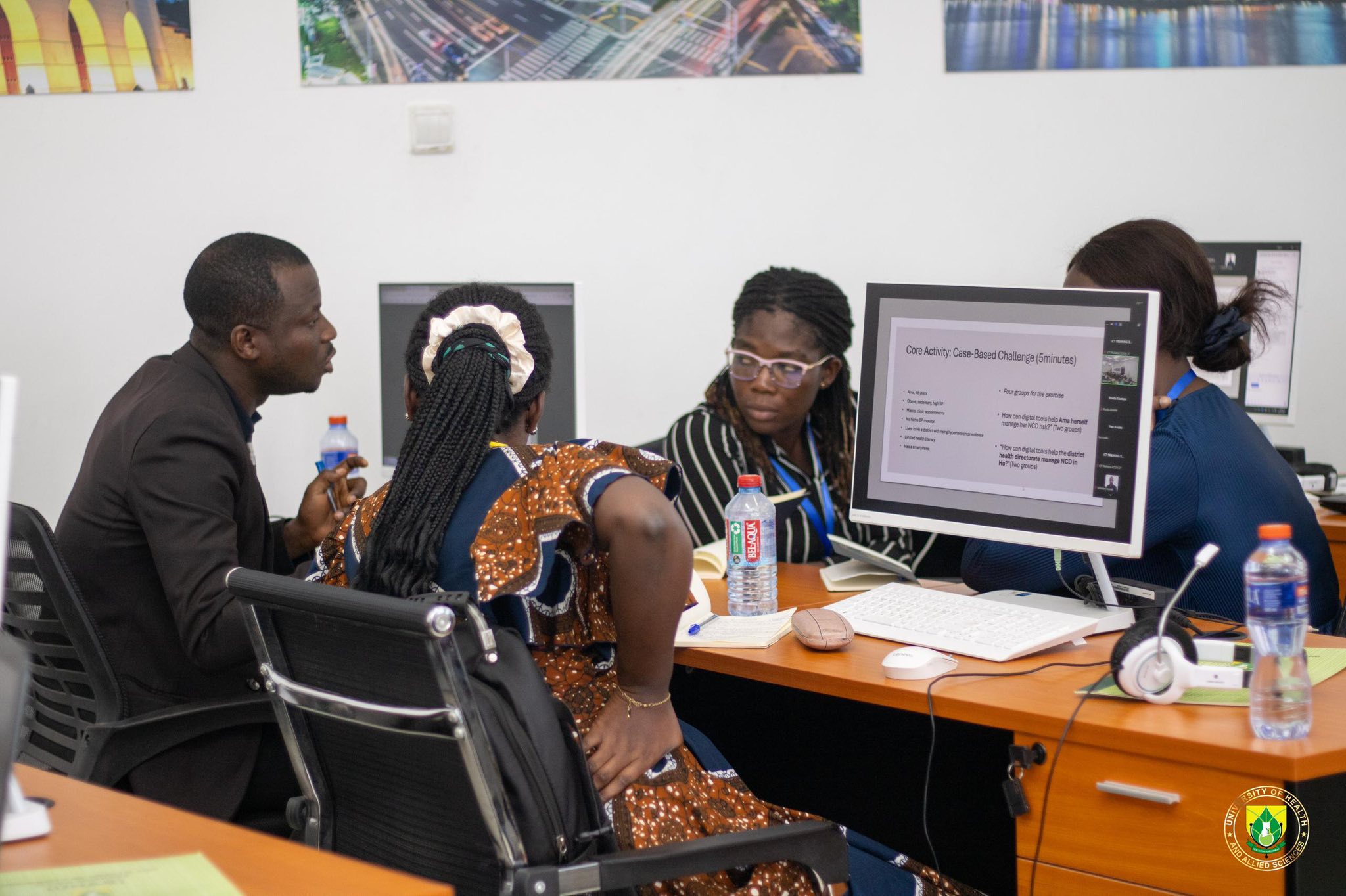
A major highlight of the programme was its Challenge-Based Learning (CBL) approach, which promoted self-directed and collaborative learning. Through interactive lectures, case studies, debates, practical sessions and group work, participants applied theoretical knowledge to real-world scenarios, strengthening decision-making and skills translation for NCD prevention and control.
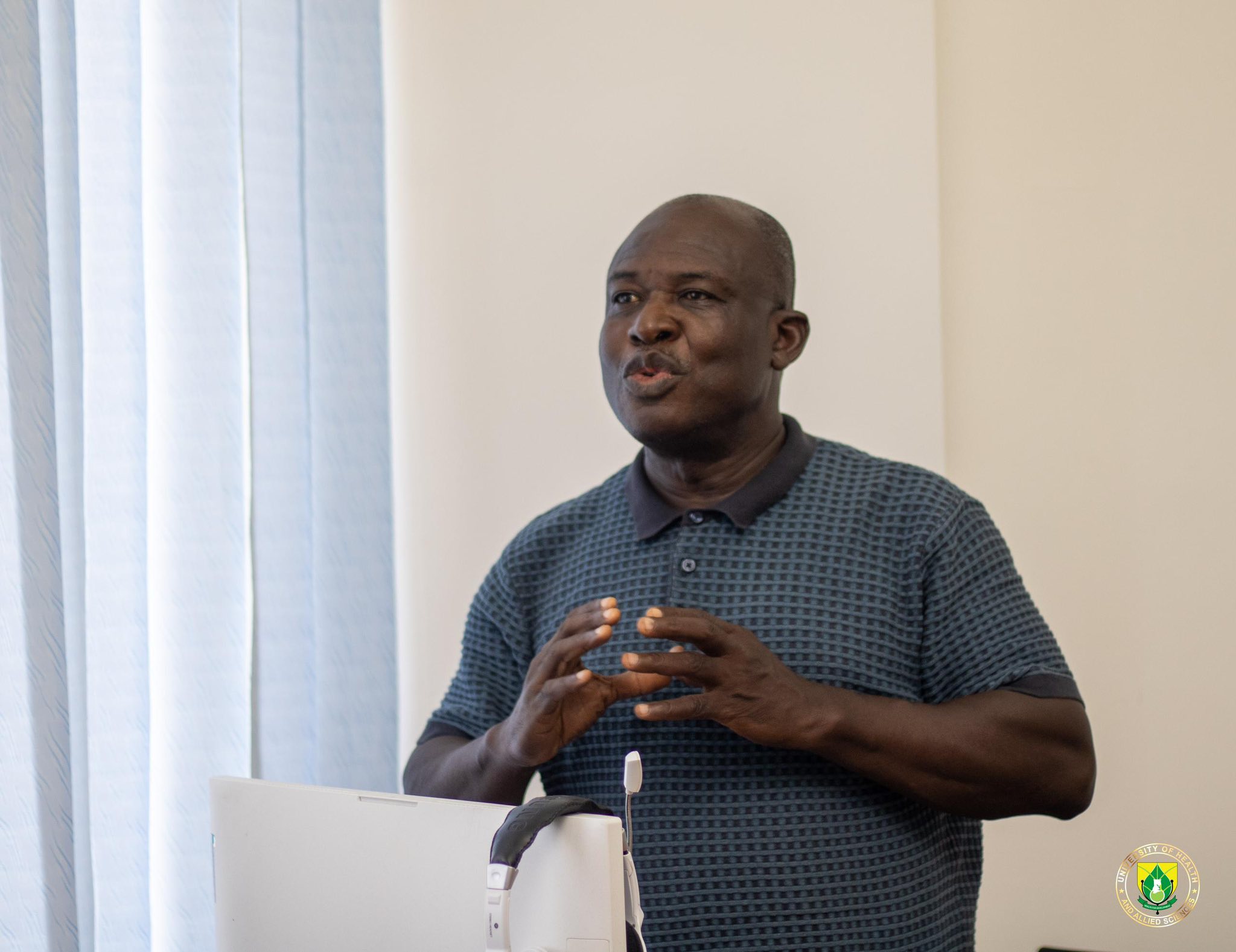
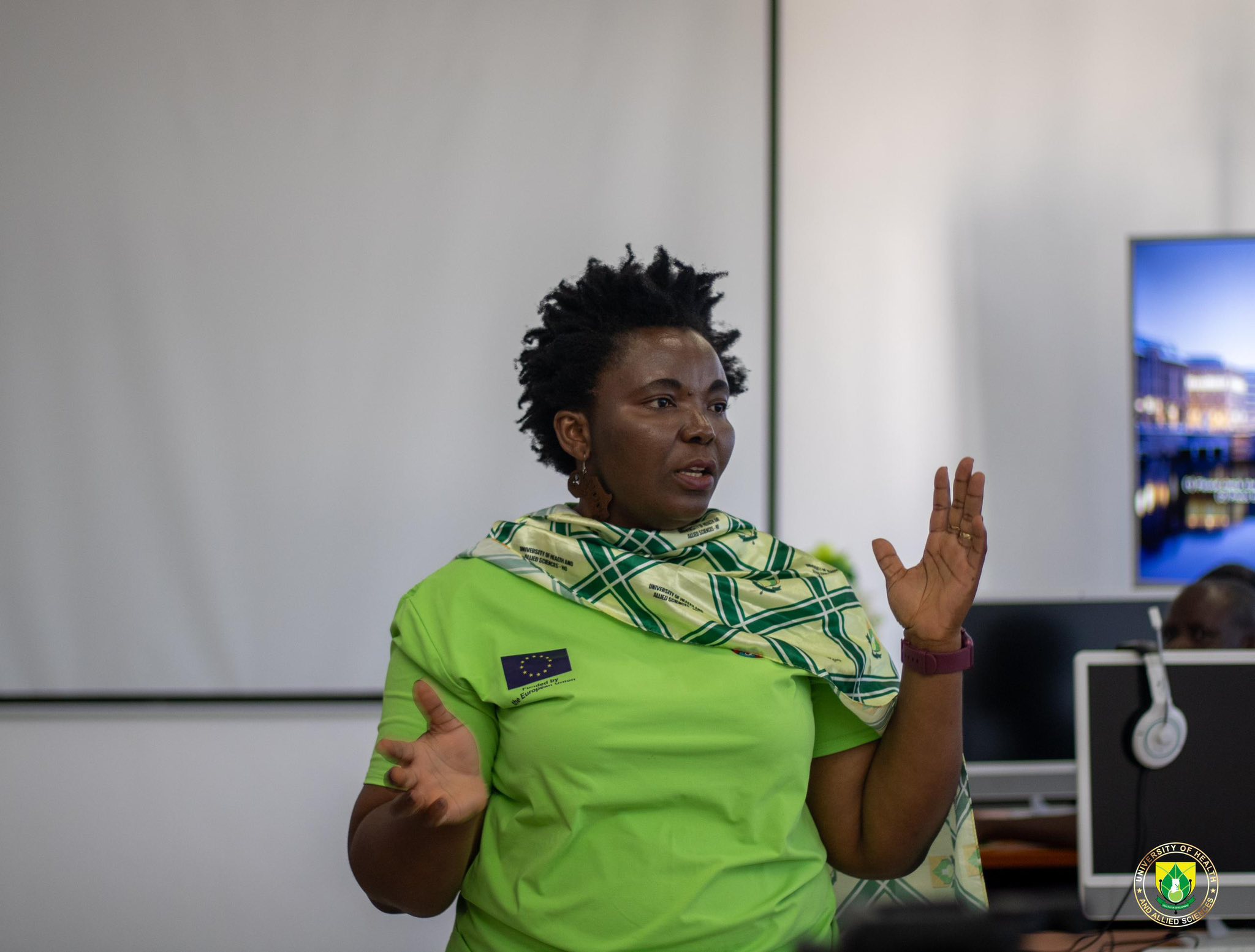
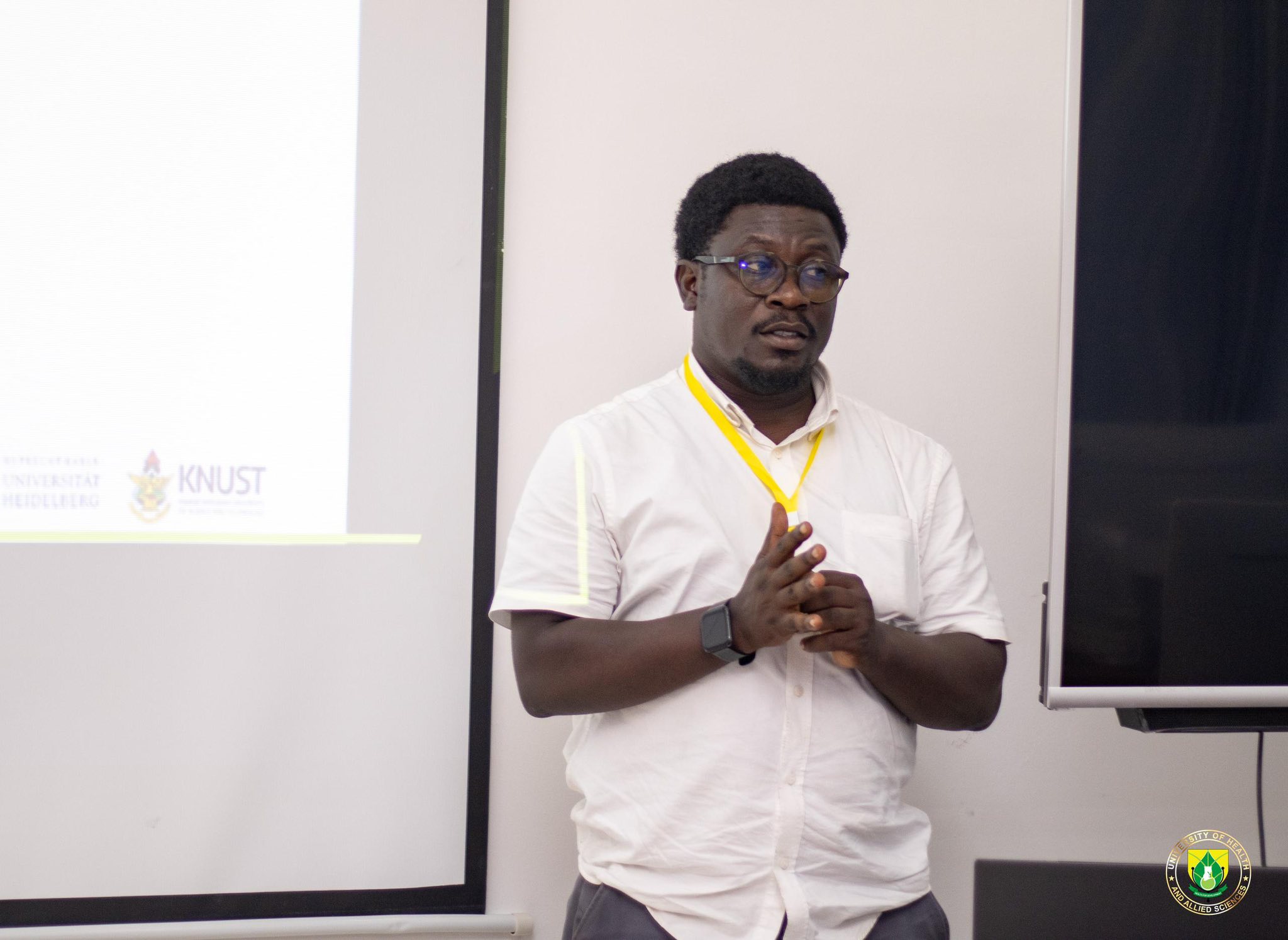
The course was facilitated by a multidisciplinary team of local and international experts, including Prof. Yaw Aante Awuku, Dr. Faith Agbozo and Prof. Paul Amuna of UHAS; Prof. Kerstin Klipstein-Grobusch of the University Medical Center Utrecht (UMCU), Netherlands; and experts from the Kwame Nkrumah University of Science and Technology (KNUST).
The CAPSTONE Project, under which the training was delivered, brings together partner institutions including UHAS, UMCU and KNUST, among others, with the shared goal of advancing digital health education, research and innovation for non-communicable disease prevention and population health improvement.
At the end of the programme, participants received Certificates of Competence and Continuing Professional Development (CPD) points recognised by relevant regulatory bodies.
By hosting the EU-funded programme, UHAS reaffirmed its commitment to innovative training, research excellence and strategic partnerships, while positioning itself as a leading institution in the advancement of digital health solutions for the prevention and management of non-communicable diseases in Ghana and beyond.








.jpg)