KNUST Successfully Hosts CAPSTONE Short Course on Financing for Non-Communicable Diseases
Kumasi, Ghana | 14–18 September 2026
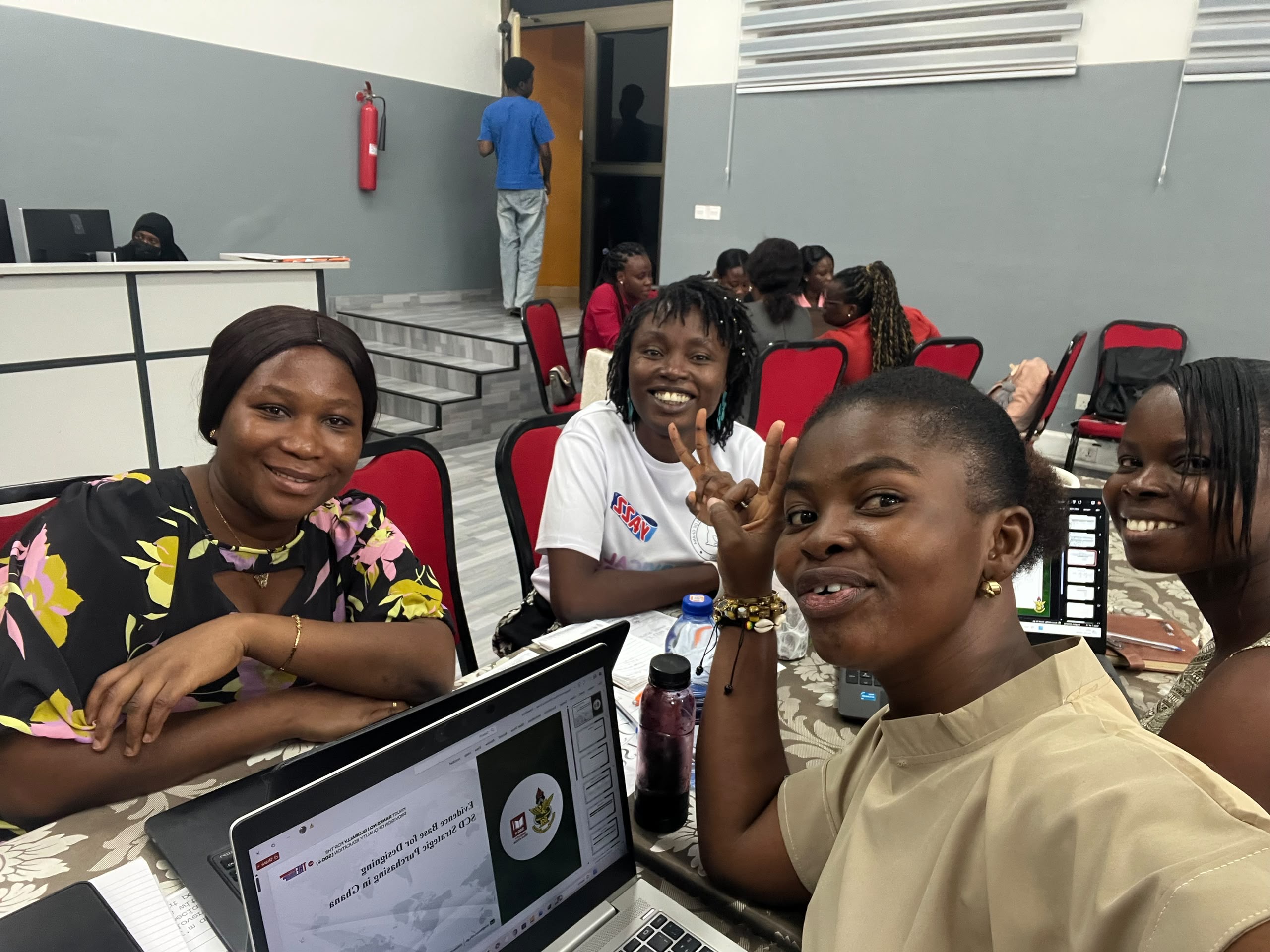
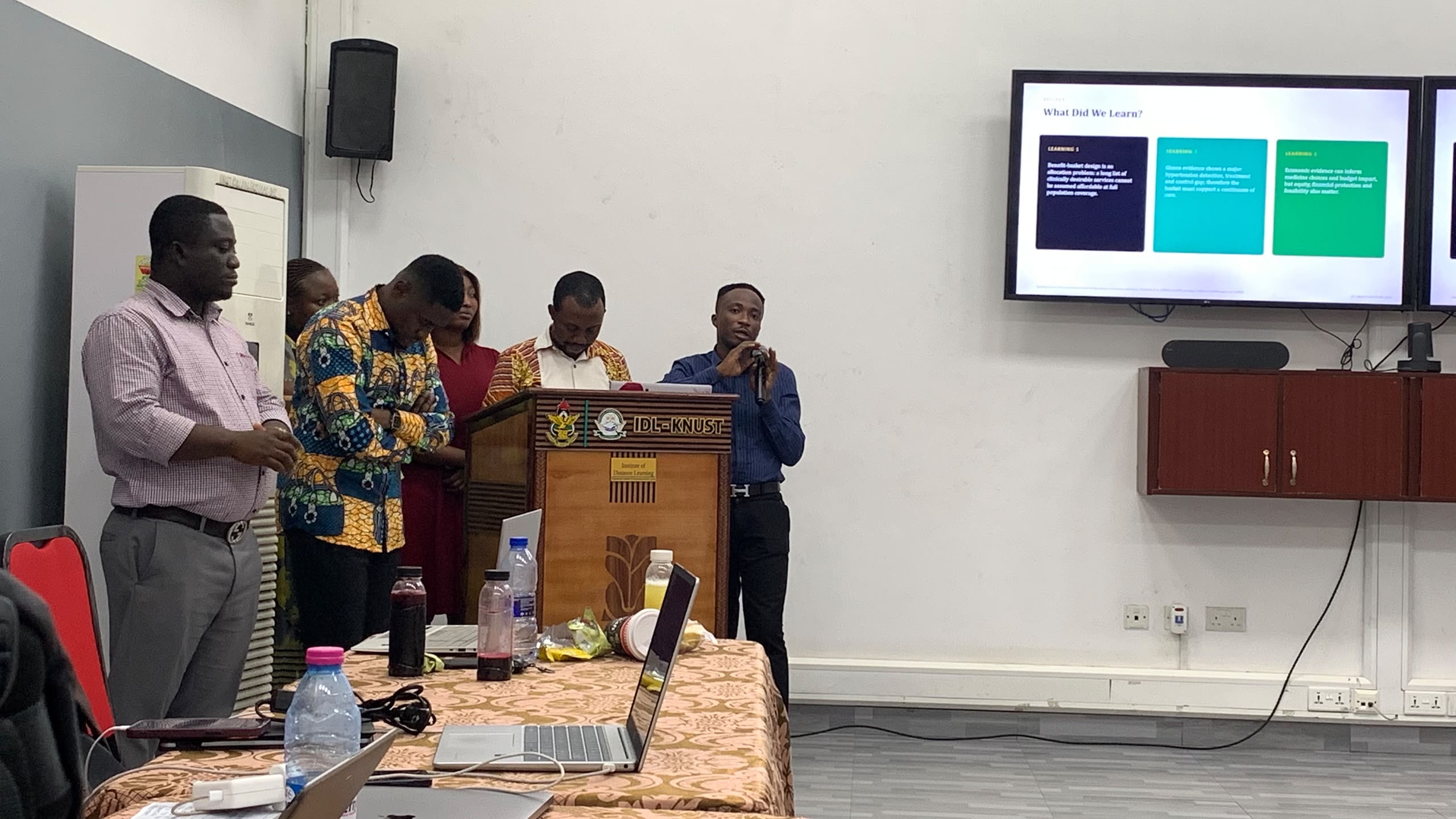
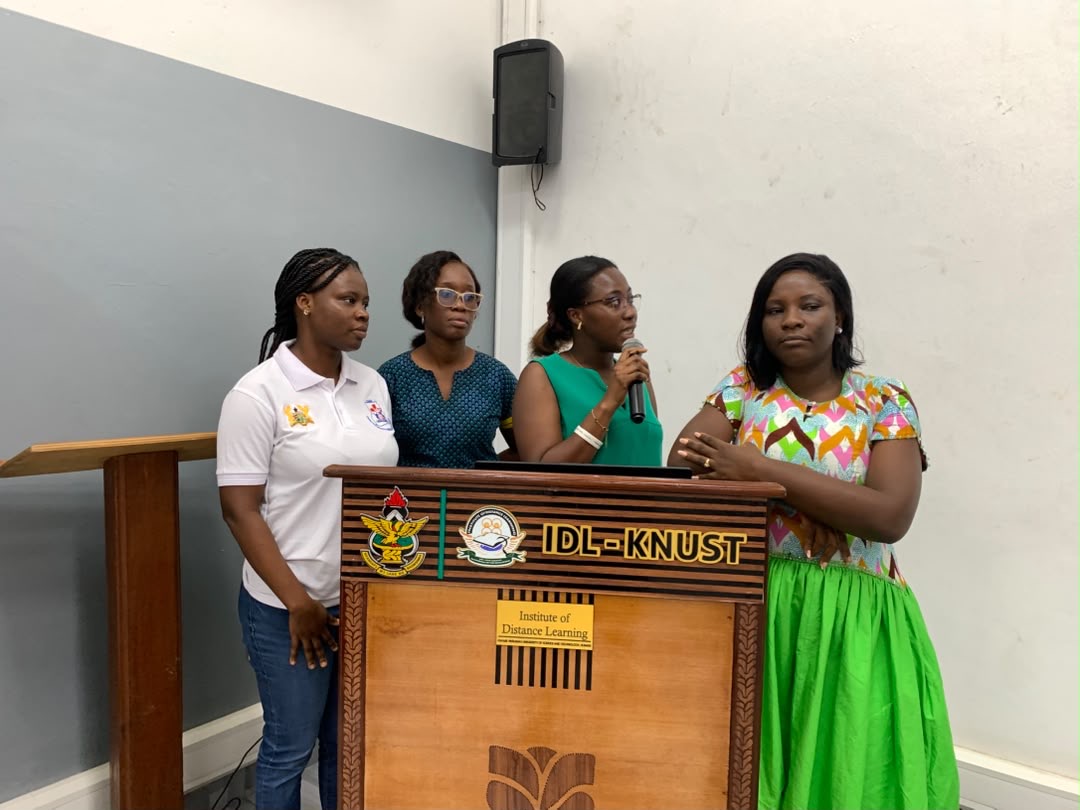
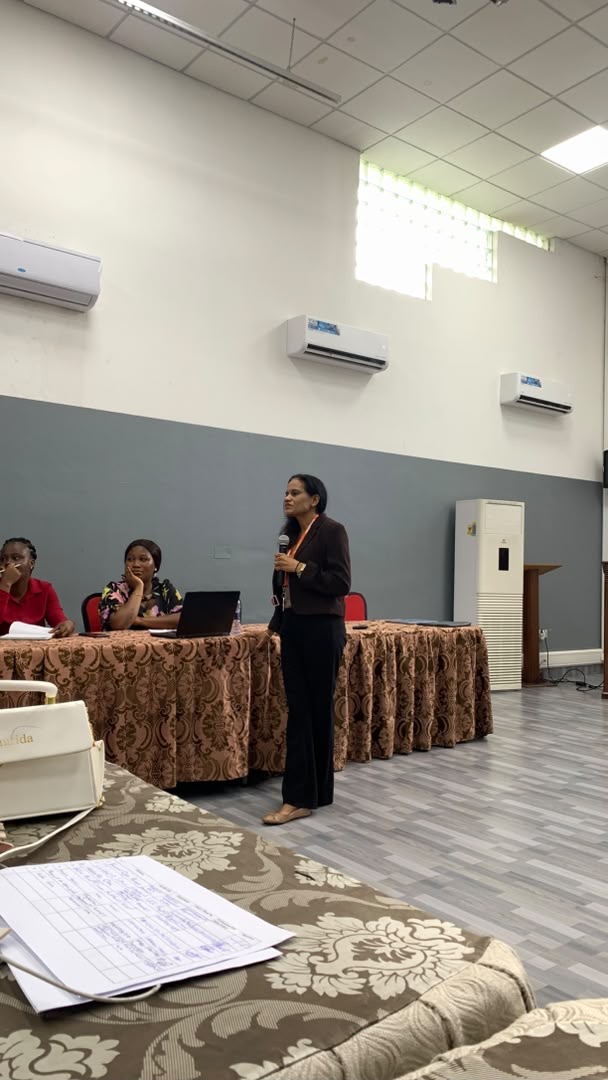
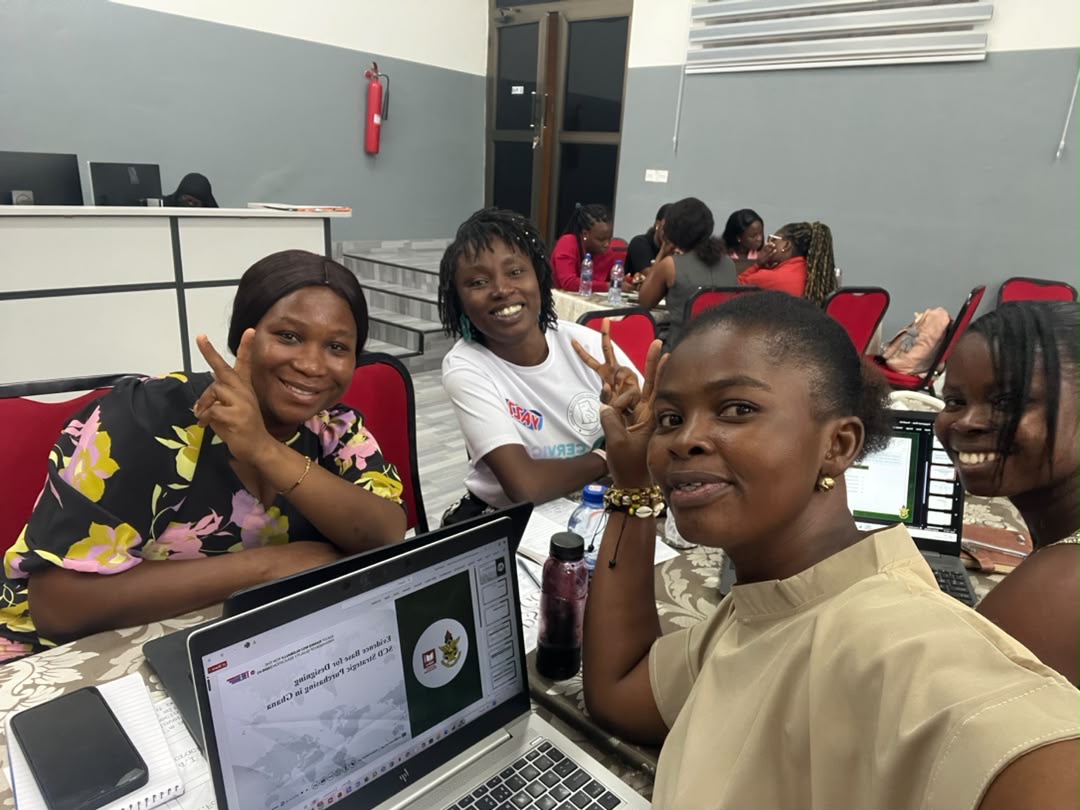
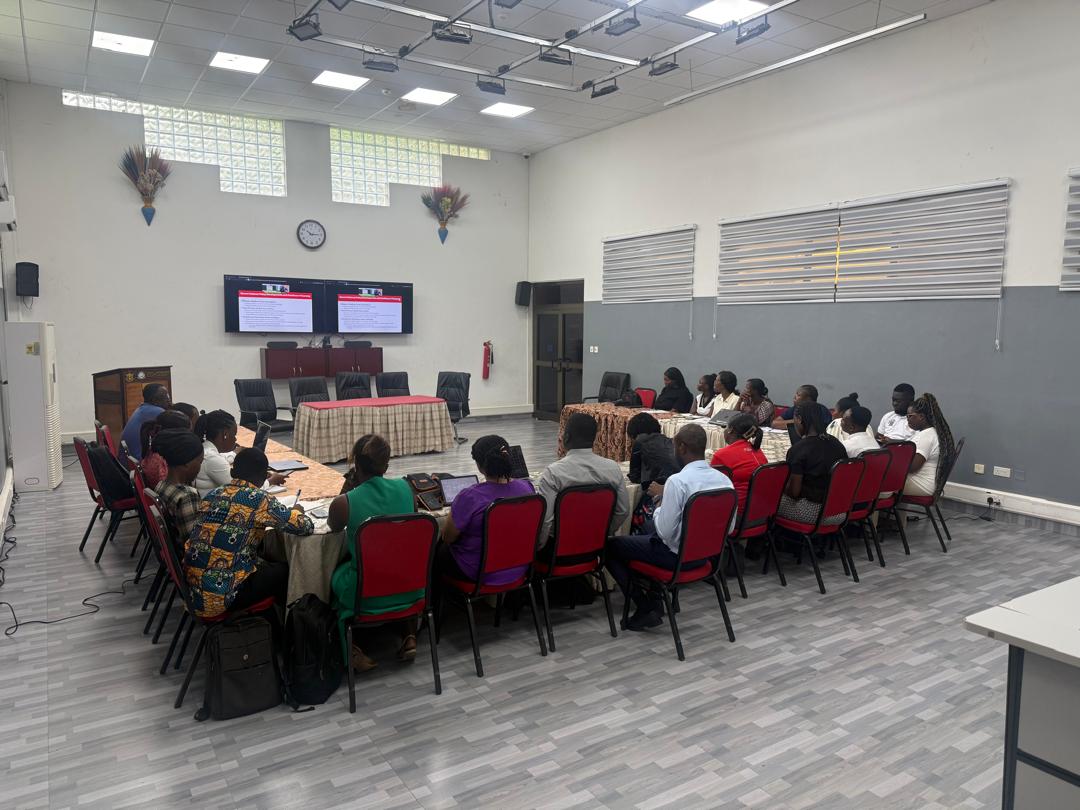
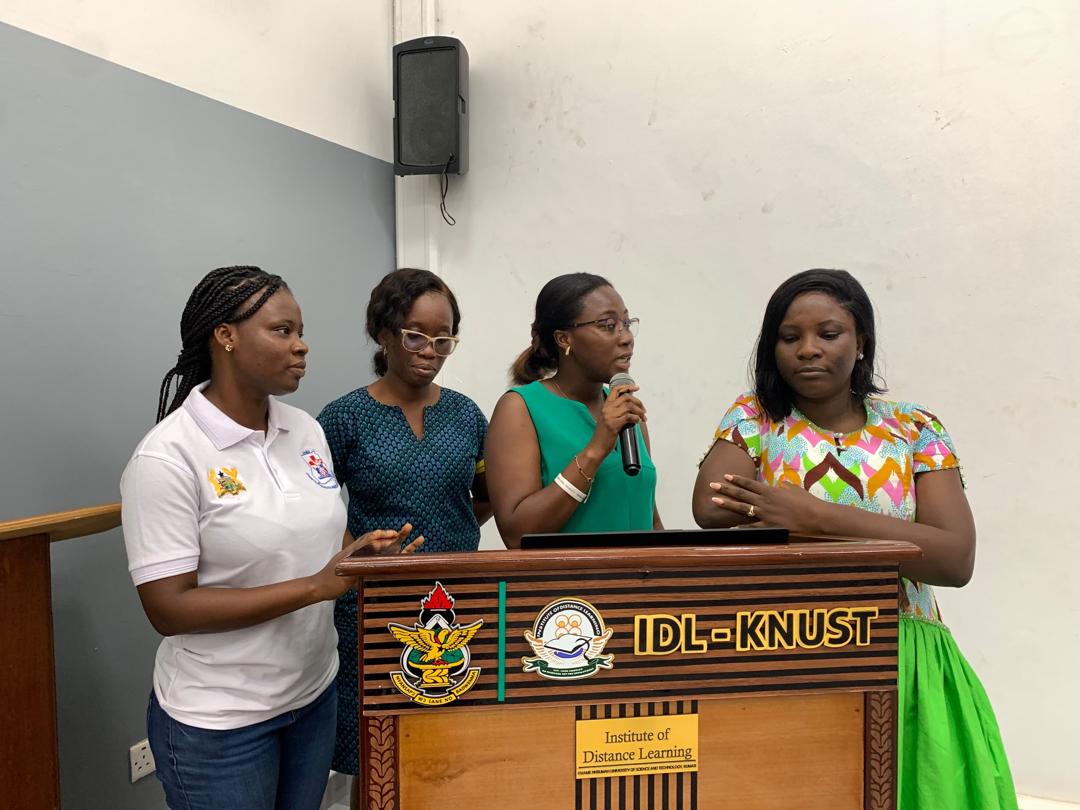
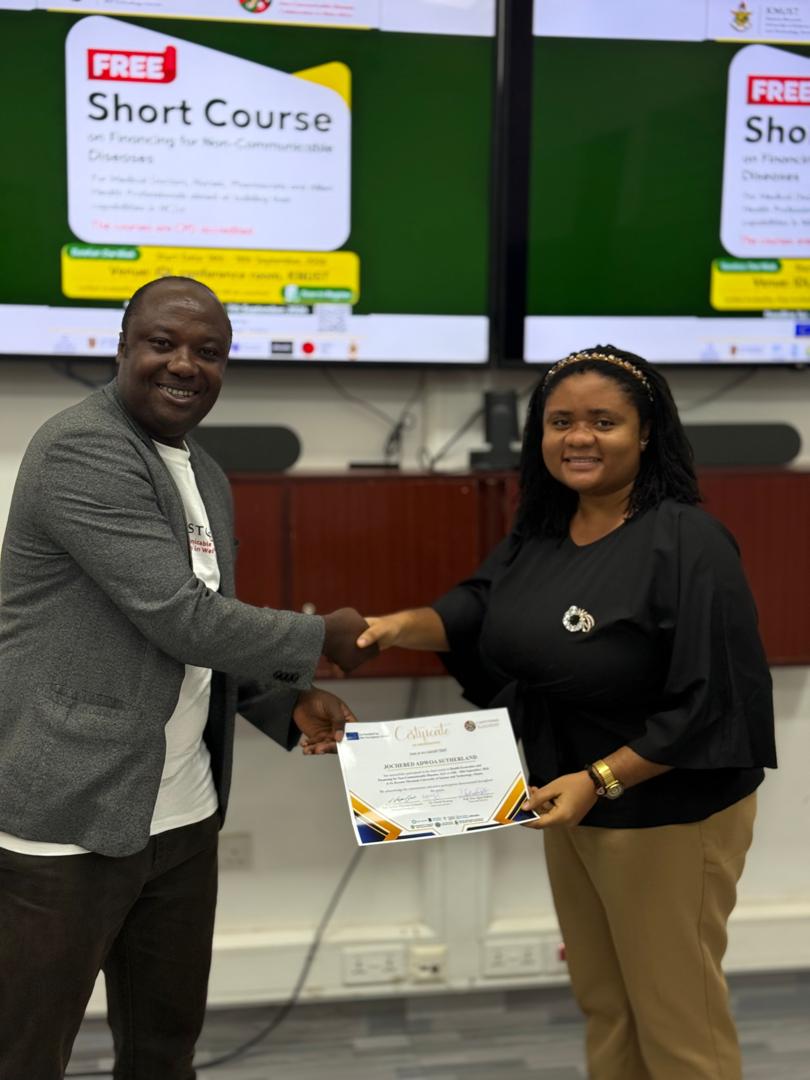
The School of Public Health at Kwame Nkrumah University of Science and Technology (KNUST) has successfully hosted the CPD Short Course on Financing for Non-Communicable Diseases (NCDs) from 14 to 18 September 2026 at the IDL Conference Room, KNUST, Kumasi.
Funded under the European Union Erasmus+ CAPSTONE Project, the intensive, residential training brought together participants to strengthen their understanding of health economics and its application to health financing and NCD prevention and control.
Aim of the Course
The course aimed to equip participants with the foundational knowledge and practical tools necessary to understand and apply health economics principles to improve health system performance, with a specific focus on health financing and economic evaluation methods applied to NCDs in low- and middle-income countries (LMICs).
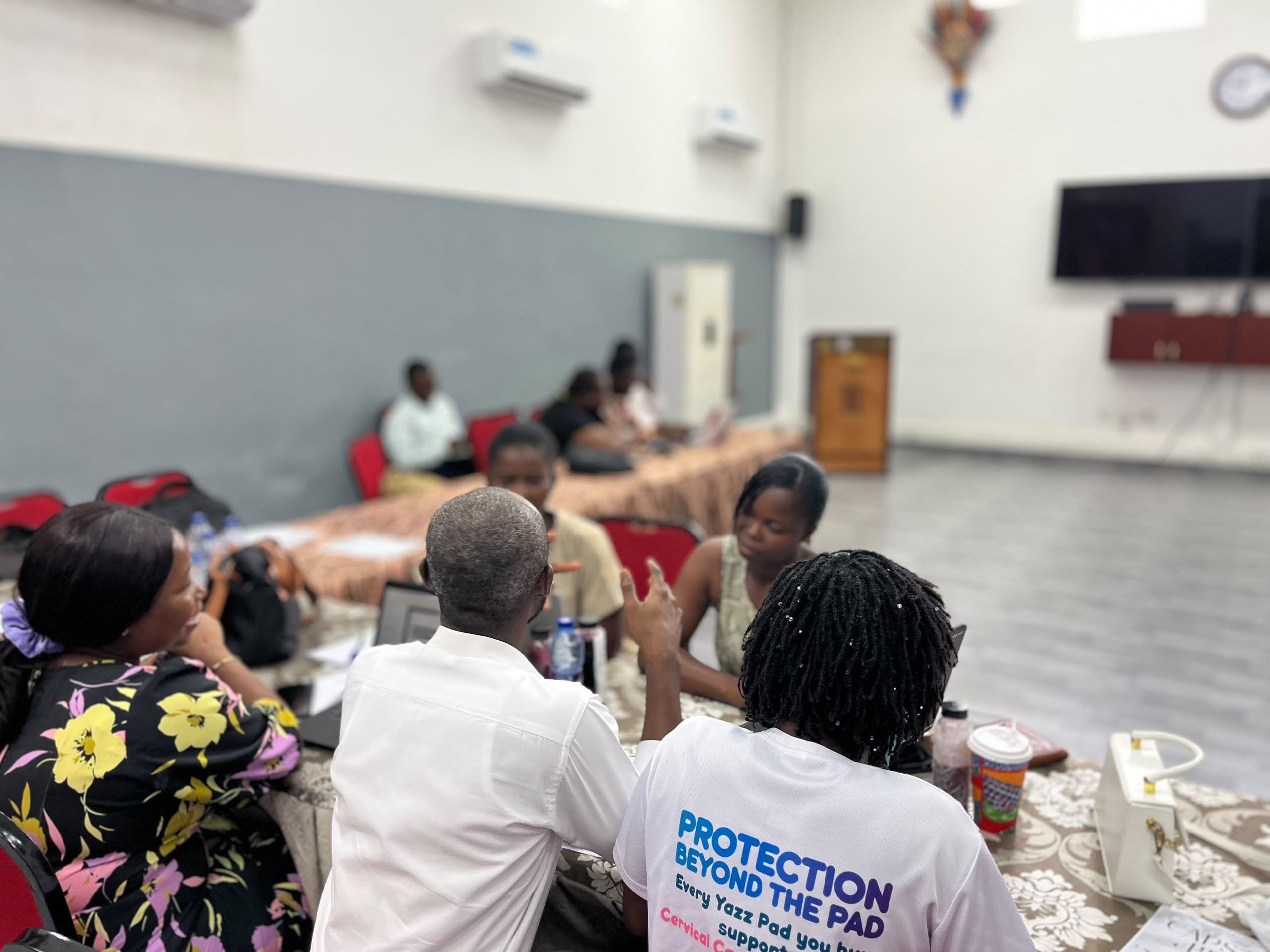
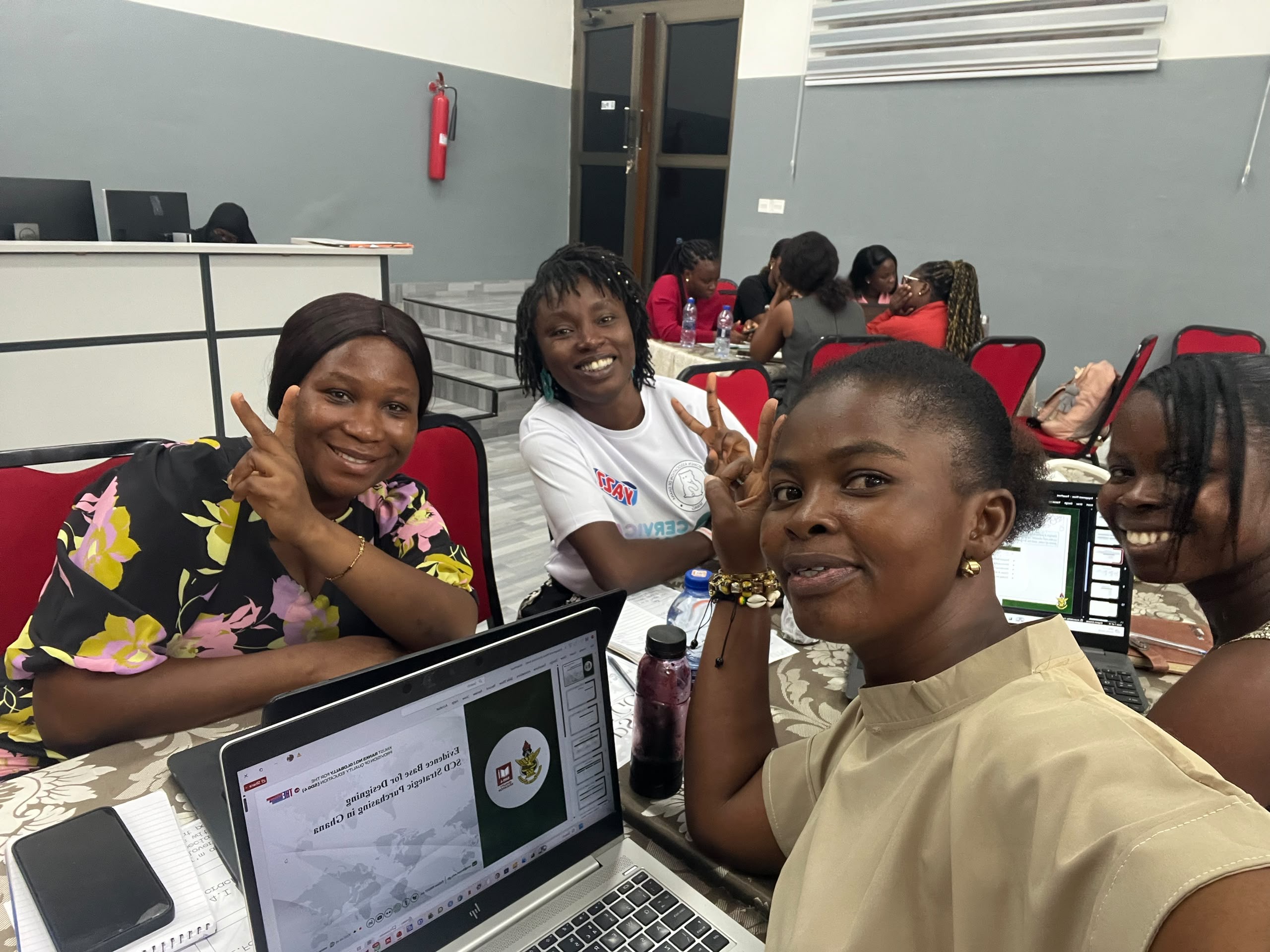
To achieve this aim, the programme combined expert-led lectures with a Challenge-Based Learning (CBL) approach, encouraging participants to engage critically with real-world health system challenges and apply their learning to practical decision-making.
Key learning areas included health financing, economic evaluation, health taxes, excise tax design, earmarking of health revenues, and the links between epidemiology, biostatistics, priority setting and Universal Health Coverage (UHC).
Learning Beyond the Classroom
Participant feedback highlighted the value of the course's practical approach, locally relevant examples and ability to make complex concepts accessible to professionals from different backgrounds.
One participant reflected on the benefits of Challenge-Based Learning:
"The CBL has improved my critical thinking abilities, which I believe would improve my analytical skills."
— Course Participant
Another participant highlighted the relevance of contextualising health financing concepts within Ghana's policy environment:
"The sessions on health taxes, excise tax design, and earmarking stood out because they used local examples from NHIS and sugar-sweetened beverages, not just theory. I also appreciated the clear link between epidemiology, biostatistics, and economic evaluation for priority setting."
— Course Participant
The course also demonstrated the importance of making health economics accessible to professionals without a formal economics background. As one participant noted:
"I don't have an economics background, but health economic evaluation was explained in simple terms, which made me gain more insight and knowledge about it. It was made simpler to understand than I thought."
— Course Participant
Participants further reported improved understanding of health financing, economic evaluation, health taxes and UHC, highlighting the value of combining accessible teaching, locally relevant examples and problem-oriented learning.
Strengthening Capacity for NCD Prevention and Control
NCDs pose significant challenges to health systems, particularly in resource-constrained settings where sustainable financing and effective allocation of limited resources are essential. Strengthening capacity in health economics and financing can support evidence-informed policy decisions, evaluation of health interventions and more effective prioritisation of resources for NCD prevention and control.
Through initiatives such as this short course, the CAPSTONE Project contributes to capacity strengthening and knowledge exchange, supporting efforts to improve health system performance and advance progress towards UHC across low- and middle-income countries.
KNUST extends its appreciation to the facilitators, participants, institutional partners and the wider CAPSTONE consortium for their contributions to the successful delivery of the programme.
CAPSTONE West Africa: Leading the NCD Care Revolution.









.jpeg)

.jpeg)

.jpeg)